

Remember when home security meant a loud, clunky box on the wall and a keypad that beeped incessantly every time you opened the door? If the alarm actually went off, it usually just annoyed the neighbors until someone figured out the passcode.
Those days are rapidly fading. Home security has graduated from simple noise-makers to sophisticated, intelligent ecosystems. It isn’t just about scaring off intruders anymore; it’s about creating a responsive environment that knows the difference between a delivery driver and a burglar.
The shift from reactive bells to proactive intelligence is changing how we protect our families. Let’s look at the innovations driving this change and how they fit into your daily life.
Your Home is Now a Connected Ecosystem
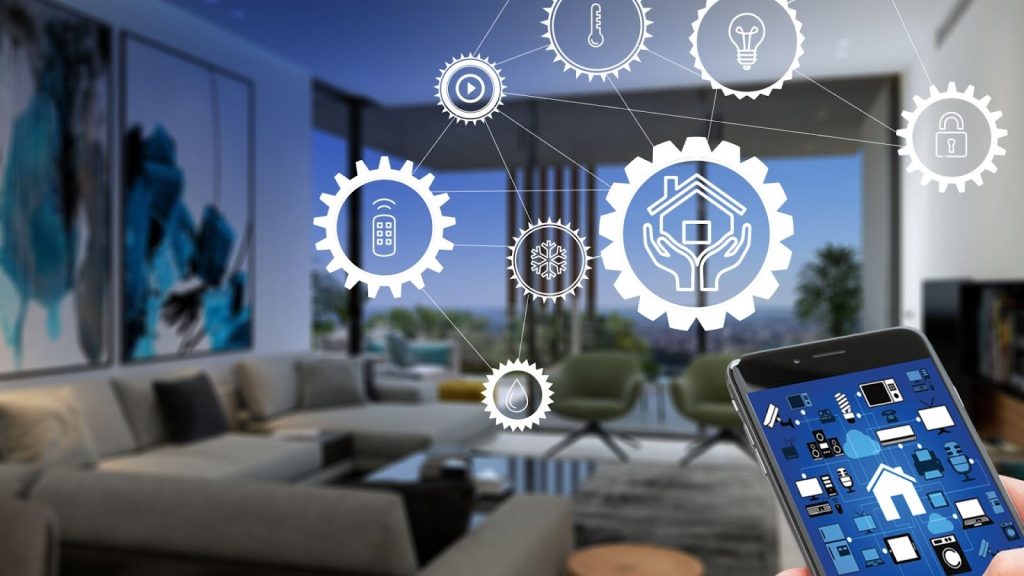
The biggest leap forward hasn’t been in the loudness of the siren, but in connectivity. Modern alarm systems don’t operate in a vacuum. They speak the same language as your smartphone, your smart locks, and even your lighting.
This integration means your home reacts to your schedule. You can program your system to automatically lock the doors and arm the security sensors when you leave for work. If a sensor trips at night, the system can instantly turn on all the lights to deter a potential intruder while sending a live video feed directly to your phone.
It’s about control and visibility. You no longer have to wonder if you remembered to arm the system. You can check the status of your home from anywhere in the world. For homeowners looking to streamline this technology, Sound Effects Arizona offers the best solution for integrating these complex systems into a simple, user-friendly interface.
AI and Machine Learning: The End of False Alarms
We have all experienced the panic of a false alarm. Maybe it was a shifting shadow, a wandering pet, or a helium balloon drifting into a motion sensor. These false positives are annoying for you and can lead to fines from local police departments if they happen too often.
Artificial Intelligence (AI) and Machine Learning are solving this problem. Modern cameras and sensors analyze patterns rather than just detecting movement. They can distinguish between the heat signature of a human and the movement of a family dog. Some systems utilize facial recognition to know when your kids have arrived home from school versus when a stranger is at the door.
This predictive capability transforms security from a nuisance into a helpful assistant. It filters out the noise so that when you do get an alert, you know it matters.
Professional vs. DIY Monitoring: What Fits Your Life?
With all this new technology, homeowners face a choice: do you monitor it yourself, or hire a professional?
The DIY Approach
Innovations in app technology make self-monitoring easier than ever. You get the alerts, view the footage, and decide whether to call the police. It’s cost-effective and gives you total privacy. However, it also means you are always “on call.” If you are on a flight or in a meeting, you might miss a critical alert.
Professional Monitoring
This is the traditional route, but it has been upgraded. Professional monitoring centers now use the data from smart sensors to provide faster, more accurate responses. They act as your safety net. If you can’t respond, they will.
Deciding between these two often comes down to your lifestyle and budget. If you aren’t sure which direction to take, the experts at Sound Effects Arizona can help assess your specific needs and recommend a monitoring setup that provides the right level of coverage.
Investing in Peace of Mind
The future of home alarm systems is not just about stronger locks or louder sirens. It is about intelligence. It is about a home that understands its surroundings and keeps you informed without overwhelming you.
Whether you choose a fully integrated smart home ecosystem or a focused security setup, the goal remains the same. You are investing in peace of mind. When you know your home is watching out for itself, you can sleep a little sounder.
