

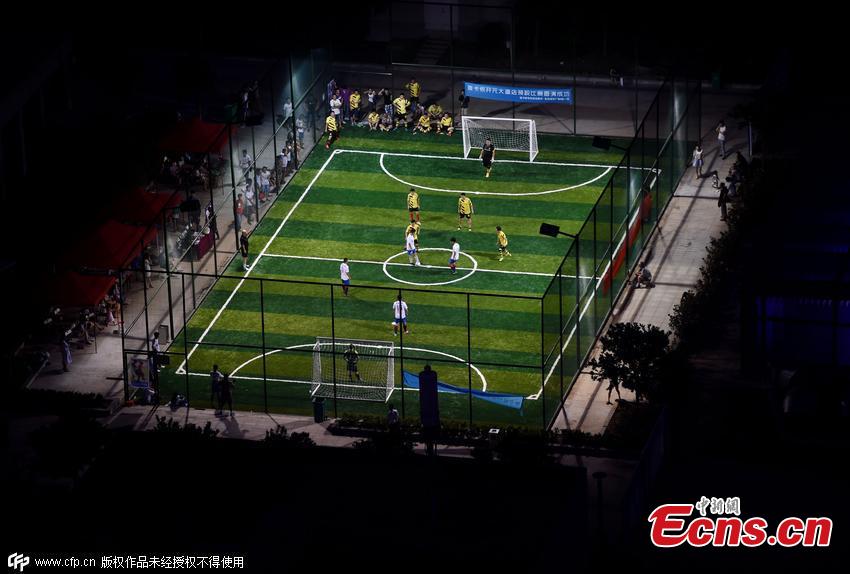
When the World Cup is on in a distant time zone, “kick-off” can quietly turn into “bedtime.” One late match becomes three, three nights become a week, and suddenly your normal rhythm—sleep, meals, work, training—feels off. If you care about understanding matches in real time, not just surviving them, you need to think about your body clock as carefully as coaches think about load management.
Why Late Kick-Offs Hit Your Body Clock So Hard
Your body is built around a roughly 24‑hour cycle that expects light in the morning, mental work during the day, and winding down at night. World Cup schedules that push the decisive match into the late evening or early hours flip that script. You are asking your brain to be at peak focus when it normally wants to shut down, and then expecting it to fall asleep straight after a high-adrenaline 120 minutes.
Across several nights, this misalignment shows up in how you watch ดูบอลย้อนหลัง ช้าง. Reaction times slow, making it harder to track off‑ball runs or notice subtle shifts in pressing height. Emotional swings feel sharper because fatigue reduces your ability to regulate frustration or excitement. What you remember the next day are goals and controversies, not the patterns of build‑up or chance quality that actually explain the result.
How Sleep Debt Blurs Tactical Understanding Over a Tournament
Sleep debt does not just make you yawn at your desk; it changes the kind of viewer you become. When you are rested, you can follow multiple streams at once: the ball, the shape of the defensive block, the movement of a striker off the last line. Tired, your attention narrows. You may only follow the ball, missing the rotations and structural adjustments that tell you how a coach is trying to solve problems.
Over a month-long tournament, that effect stacks. By the second or third week of chronic late nights, entire game phases start to merge in your memory. Pressing patterns you would normally recognise look like “chaos,” and you rely more on pundit summaries than your own observations. From an analytical perspective, you have paid the price of watching live without getting the reward of deeper understanding.
Choosing a Deliberate Viewing Rhythm Instead of Chaos ดูบอลสด
If you want to enjoy ดูบอลสด without wrecking your body clock, the key is to be selective and predictable. Rather than deciding at midnight whether to stay up “just this once,” you choose in advance which late matches deserve full live attention and which can be watched on delay or via extended highlights. That choice depends on your time zone, work or study load, and how much detail you want to capture tactically. A simple rule—such as “no more than two true late-night games per week” or “only stay up for knockouts involving specific teams”—can prevent a slow slide into permanent jet lag. With a stable rule, your body starts to adapt: you can use naps, adjusted meal times, and earlier wind-down on non-match nights to keep your internal rhythm from drifting too far.
A Step-by-Step Plan to Survive Late Kick-Offs
Instead of treating each late match as an isolated event, think of it as part of a small three-day cycle: the build-up day, the match night, and the recovery day. That framing makes it easier to maintain both your viewing quality and your health.
A practical three-day sequence could look like this:
- Day before the late match: Aim for normal or slightly earlier sleep, keep caffeine to earlier in the day, and avoid stacking other late social or screen time, so you start with a “sleep surplus.”
- Match day: If possible, add a short mid‑afternoon nap (20–30 minutes) and keep evening meals light to reduce post-match restlessness. Decide before kick-off whether you will watch post‑match content or go straight to a brief cool‑down routine.
- Recovery day: Set a firm latest wake-up time even if you are tired, use morning light and movement (walks, stretching) to nudge your clock back, and avoid another very late night so the disruption remains contained.
Following a pattern like this helps you enjoy certain late games as genuine events, while preventing them from turning the entire tournament into a month-long sleep experiment you did not plan.
Comparing Common Viewing Patterns and Their Impact on Sleep
Not every fan abuses their body clock in the same way. Recognising your pattern makes it easier to adjust without giving up football entirely.
| Viewing Pattern | What It Looks Like in Practice | Likely Impact on Body Clock and Match Reading |
| Every-late-match watcher | Stays up for all late games, sleeps when possible | Heavy sleep debt, foggy attention, matches blur together |
| “Big games only” night owl | Saves late nights for key fixtures and knockouts | Manageable disruption, clearer memory of important games |
| Mixed live and delayed watcher | Watches some on delay at earlier hours | More stable rhythm, easier to track tactics across rounds |
| Weekend warrior | Late nights only on Fridays/Saturdays | Weekly mini jet lag, but easier to recover midweek |
| Health-first strategist | Very selective live viewing, leans on extended highlights | Best preserved focus, less emotional “live” experience |
Once you see your own pattern, you can gently slide it toward the right-hand side of this table—fewer impulsive late nights, more planned ones—without losing the joy of following the tournament.
Using Nutrition, Light, and Movement to Support Your Rhythm
You cannot fully hack biology, but you can give your body better conditions to handle odd kick-off times. Three levers make the biggest difference: what you consume, how you use light, and how much you move.
On match nights, keeping caffeine to the first half (or earlier) and avoiding heavy, late meals makes it easier to switch off afterwards. Bright light, especially from screens held close to the face, pushes your body clock later; dimming room lights at half-time and after the final whistle softens that effect. Brief stretching or light movement during half-time breaks and immediately after the game helps discharge some adrenaline so you are not lying completely still, wired, in a dark room 10 minutes after a penalty shoot-out.
Deciding When to Switch From Live to Highlights for Better Analysis
There is a point in every tournament where late matches stop adding clarity and start adding noise. One way to spot it is to ask, after a game, what you can recall beyond the goals and big incidents. If you cannot describe how a team pressed, where they built from, or how their chance quality evolved with substitutions, the live effort is no longer paying off analytically.
At that stage, it can be smarter to watch certain fixtures as extended highlights the next day. You can jump directly to key phases, see shape from broadcast angles with a fresher brain, and pair the footage with basic numbers like xG and shot maps. You lose the shared real-time adrenaline but gain a more accurate view of what actually happened, which matters more if your goal is to understand performance trends.
Summary
A World Cup in an awkward time zone tempts you into becoming nocturnal, but “sleep later, analyse later” rarely works in practice. The more you push your body clock off its natural rhythm, the harder it becomes to follow pressing patterns, structural tweaks, and momentum swings with any real clarity. By planning which late matches deserve true live attention, wrapping them in a simple three-day rhythm, and using small habits—light, movement, and selective highlights—to protect your sleep, you can enjoy the tournament as both a fan and an observer without spending a month in a fog.
