

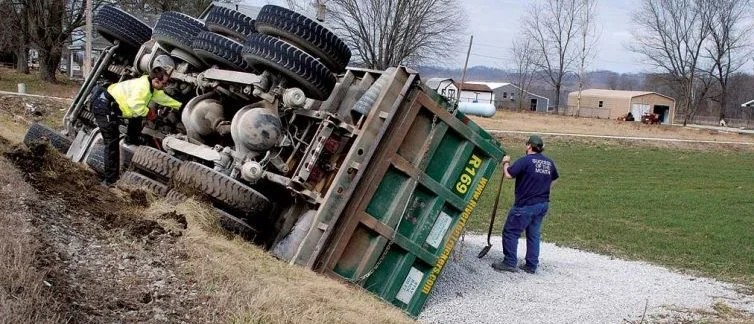
Operating a dumper might seem straightforward, but without proper training, it can be risky. Dumper training provides operators with the knowledge and skills necessary to handle these heavy vehicles safely. From understanding basic controls to learning safety protocols, a well-structured training program helps reduce accidents and ensures efficient work on construction sites. By attending professional training courses, operators gain confidence while meeting legal and industry standards.
Safety is not just a personal responsibility—it affects everyone on the site. Dumper training emphasizes the importance of being alert, following rules, and maintaining machinery properly. This ensures that both operators and nearby workers remain safe while productivity remains high. The training also covers emergency procedures, giving operators the tools to react calmly under pressure. For companies, investing in thorough dumper training minimizes downtime, prevents damage, and builds a culture of safety on site.
Understanding the Basics of Dumper Operation
A key part of dumper training focuses on familiarizing operators with vehicle basics. Knowing how to start, maneuver, and stop the dumper safely forms the foundation of safe operation. Trainees learn how to adjust controls, monitor gauges, and recognize warning signs before problems arise. Understanding vehicle weight, load limits, and terrain considerations helps prevent accidents caused by tipping or overloading.
Along with hands-on practice, instructors often explain how different dumpers perform in various environments. This includes navigating slopes, tight spaces, and uneven surfaces while keeping the load secure. Learning these fundamentals helps operators develop muscle memory and safe habits that reduce the risk of collisions. By mastering the basics, operators become more aware of potential hazards and gain the skills to respond proactively.
Site Safety Awareness
Another crucial aspect of dumper training is site safety awareness. Operators must know how to identify hazards such as uneven ground, low-hanging obstacles, and other vehicles on site. Training teaches how to evaluate the work environment and adjust driving techniques accordingly. Safety also involves using protective equipment, maintaining clear communication, and understanding warning signals around the site.
By cultivating a strong sense of situational awareness, operators are less likely to make errors that could result in injuries or damage. Courses also cover traffic management on construction sites, including speed limits, reversing safely, and safe load handling. These lessons help reduce accidents and ensure that the site operates smoothly, benefiting both workers and project timelines.
Proper Load Management
Managing loads effectively is one of the most important skills taught during dumper training. Operators learn how to calculate weight distribution, avoid overloading, and secure cargo properly. Mishandled loads can cause tipping or spills, which pose serious safety risks. Training emphasizes a careful approach to loading and unloading materials, including the importance of checking the dumper’s capacity before each operation.
In addition to handling heavy loads safely, operators also learn techniques to prevent material loss and damage. Proper load management ensures that construction materials arrive at their destination efficiently, reducing waste and project delays. Understanding how different loads affect vehicle stability helps operators maintain control, even in challenging terrain or weather conditions.
Maintenance and Pre-Operational Checks
A vital part of dumper training focuses on routine maintenance and pre-operational inspections. Operators are taught to check brakes, tires, hydraulic systems, and other critical components before starting work. Regular inspections prevent mechanical failures that can lead to accidents or downtime on site. Training also includes basic troubleshooting skills so operators can identify minor issues before they escalate.
By following maintenance protocols, operators extend the life of the dumper and ensure consistent performance. Understanding the machinery from a mechanical standpoint also encourages responsible operation. These checks become habitual, making safety a standard part of every shift. Operators trained in proper maintenance help create a safer and more efficient work environment for everyone.
Emergency Procedures and Response
Despite best efforts, emergencies can still occur. Dumper training equips operators with strategies for handling unexpected situations, such as vehicle malfunctions or on-site accidents. Trainees learn how to stop safely, evacuate the vehicle if necessary, and alert site supervisors or emergency services. Knowing these procedures reduces panic and helps operators take control in critical moments.
Emergency training also includes first aid basics and communication protocols, ensuring that operators can assist others if needed. Being prepared not only protects the operator but also minimizes harm to surrounding workers and equipment. By practicing emergency responses, operators gain confidence and ensure that safety remains the top priority, even in high-pressure situations.
Conclusion
Dumper training is essential for anyone operating these heavy vehicles on construction sites. From learning the basics of vehicle operation to mastering load management, safety awareness, and emergency procedures, every lesson is designed to protect lives and improve efficiency. Proper training ensures operators are not only skilled but also responsible and proactive, creating a safer work environment for everyone.
Investing in professional dumper training helps companies meet legal standards, reduce accidents, and maintain productivity. By following the safety rules and practices taught during these programs, operators can confidently handle dumpers while minimizing risk. Ultimately, comprehensive training is the foundation of safe and successful operations on any construction site.
